Ombrulla logo
40–50%

Cut Costs, Keep People Safe

Save 40–65% on inspections while cutting high-risk site time by 50–70% with AI-guided drones and mobile checks.

25–40%

Goodbye Downtime

Capture consistent inspection data across larger infrastructure areas using drones and AI-assisted workflows.

60–90%

Do More with the Team

AI vision automatically analyzes images, video, and sensor signals to detect defects earlier and more accurately.

30–50%

Fix What Matters, Right Time

Shift 30–50% of work from reactive to predictive and cut emergency call-outs by 20–35% with AI-prioritized actions.

What is AI Infrastructure Inspection?

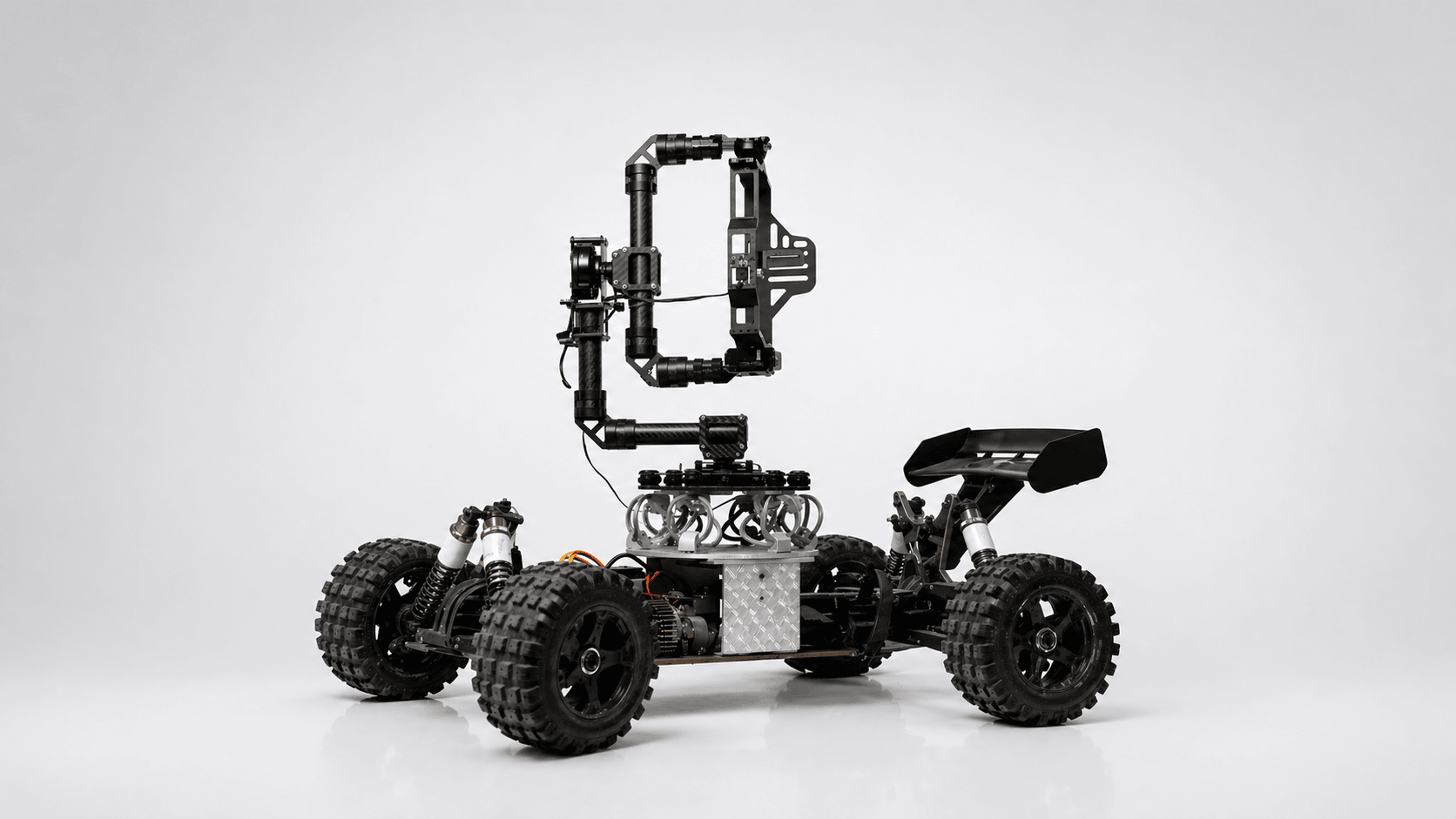
  • AI Infrastructure Inspection combines drones (aerial), ground rovers, and mobile AI inspection with computer vision models to capture high-quality visual and sensor data, automatically detect defects, and generate compliance-ready inspection outputs.
  • - Consistent data capture (checklists + guided workflows) - Automated defect detection (images + video + sensor signals) - Centralized reporting (dashboards + audit-ready exports)

What AI Can Inspect

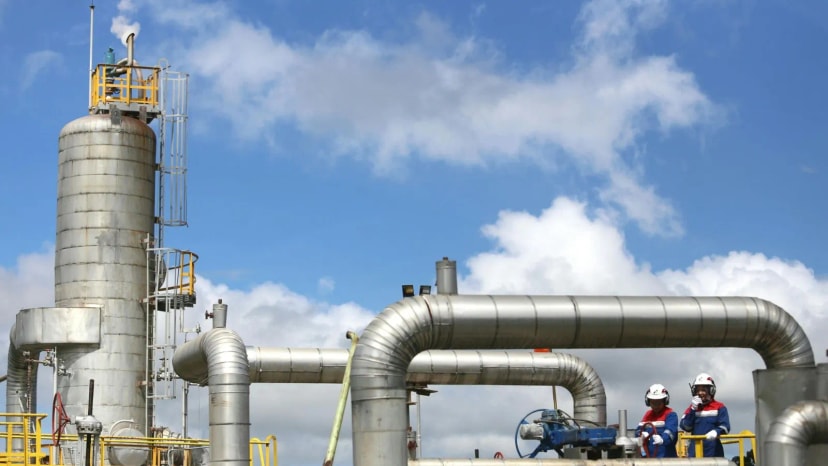
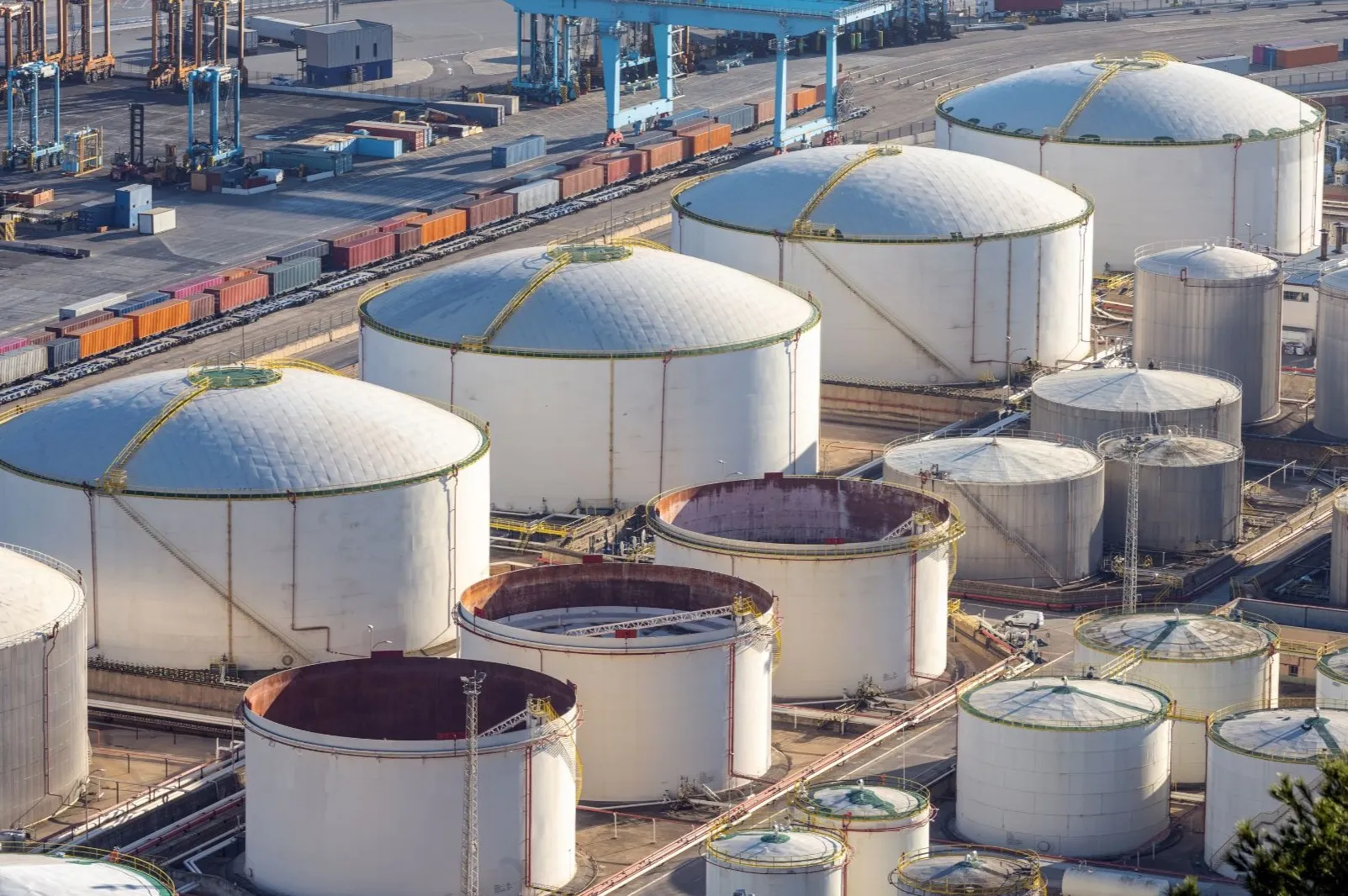
Industrial refinery with pipelines, storage tanks, and critical infrastructure assets

Assets

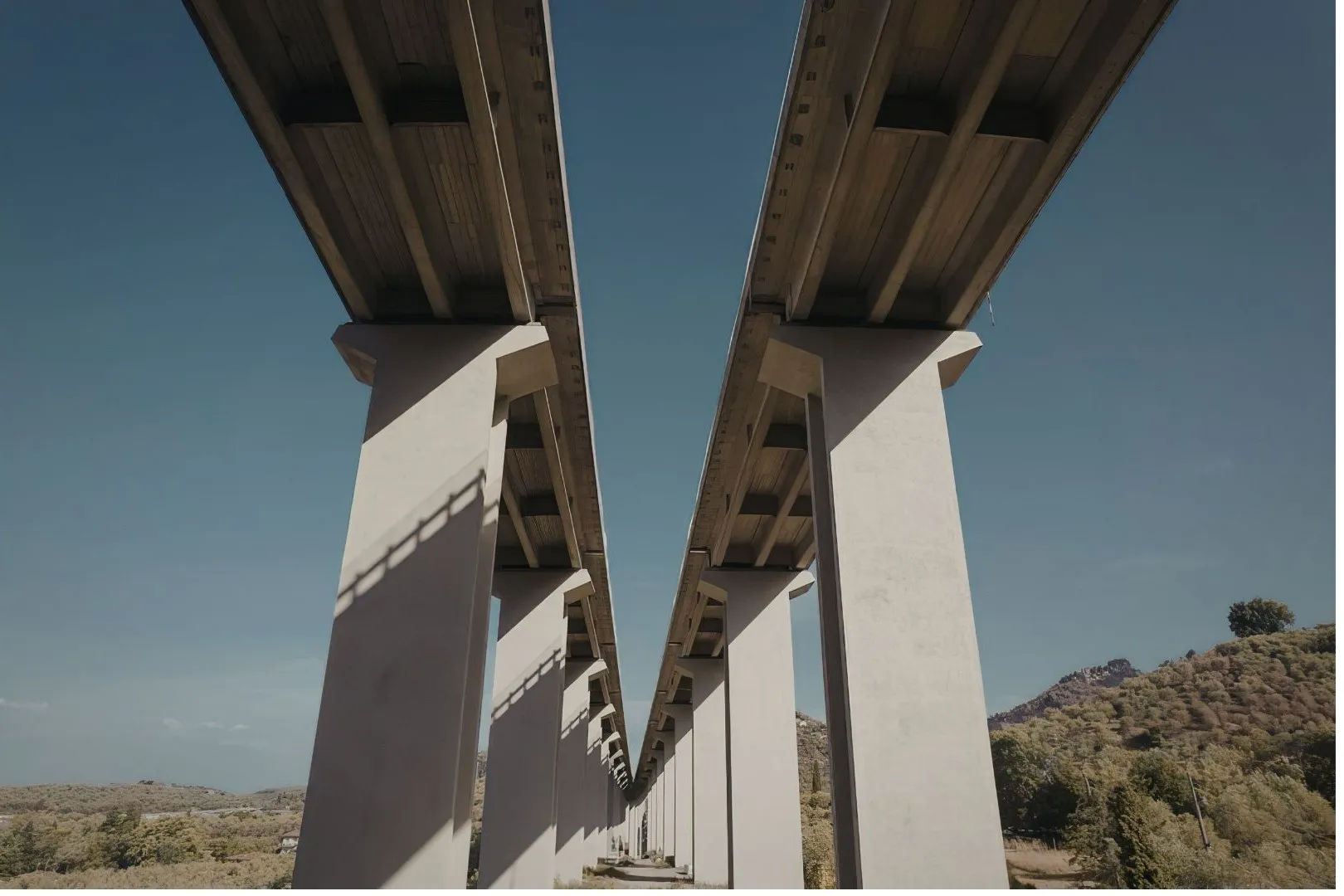
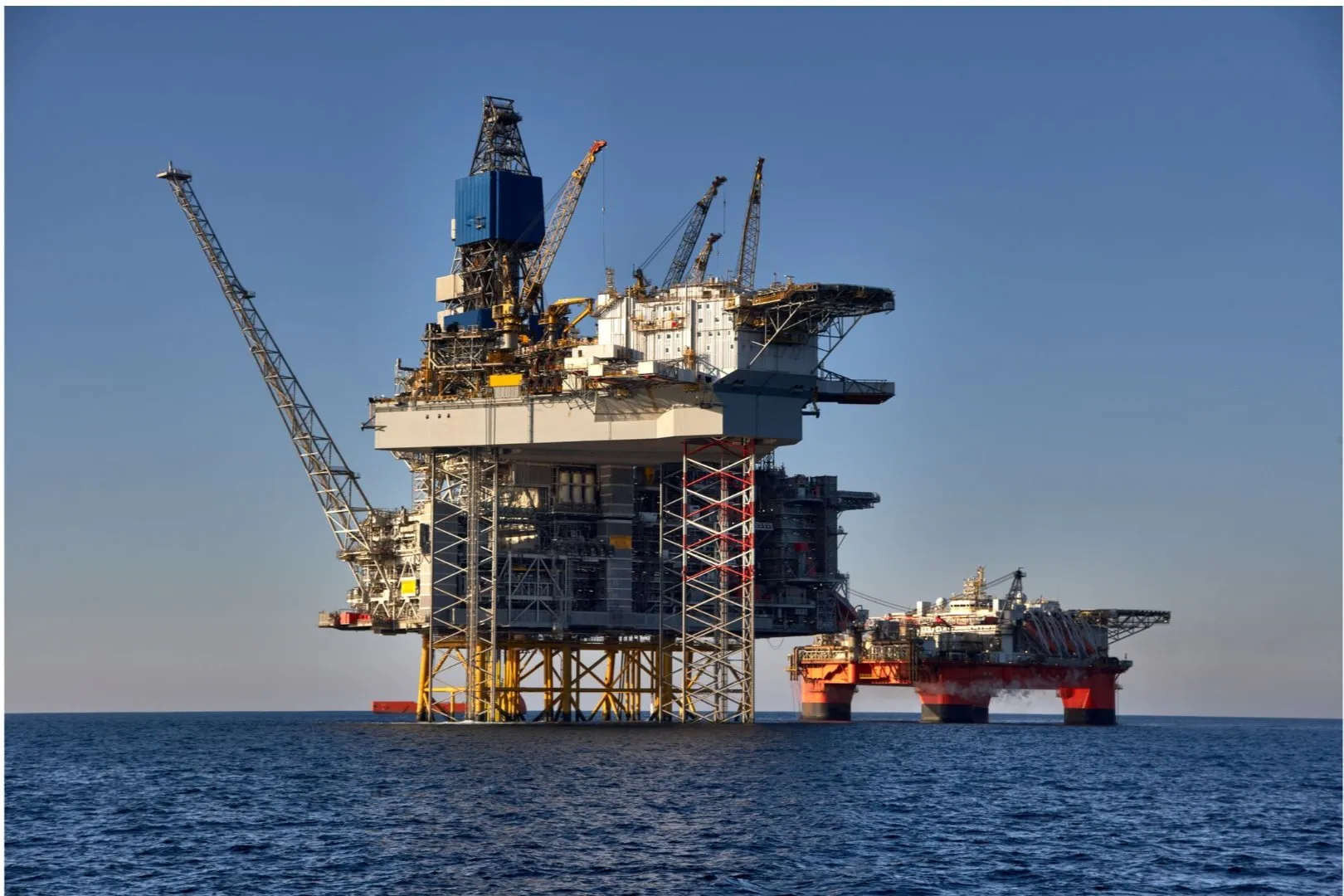
  • Pipelines, storage tanks, flare stacks, offshore assets, bridges, tunnels, roads, rail corridors, power lines, substations, wind turbines, solar farms, industrial plants, and construction sites.
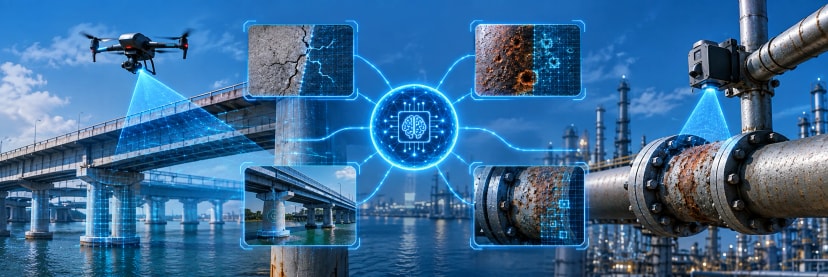
AI detecting corrosion, cracks, and defects on industrial tank using computer vision

Defects and Anomalies

  • Corrosion, coating failure, cracks, spalling, dents, deformation, leaks, hotspots/overheating, missing components, vegetation encroachment, water ingress, and structural stress indicators.

Multi-Platform Infrastructure Inspection

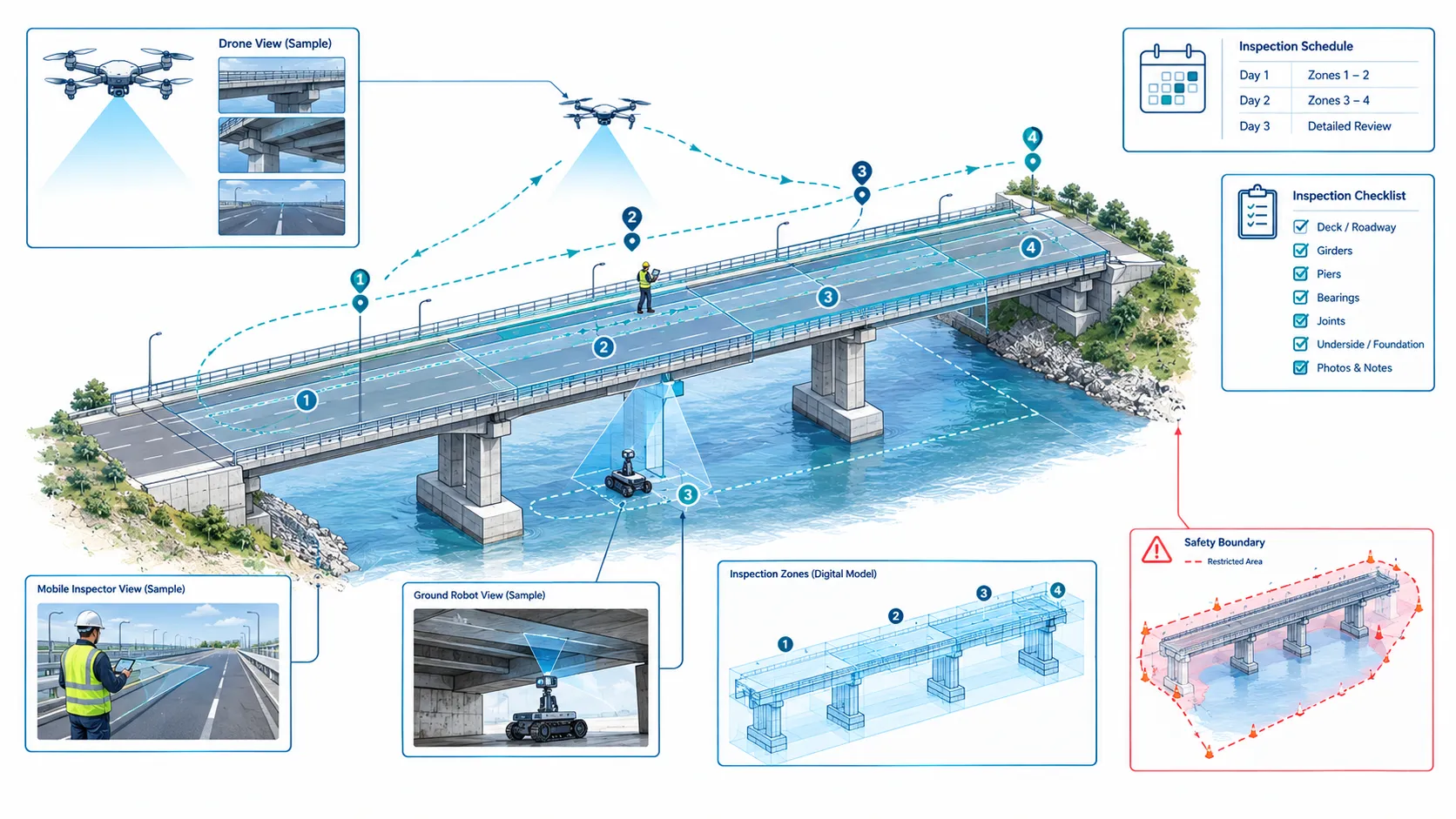
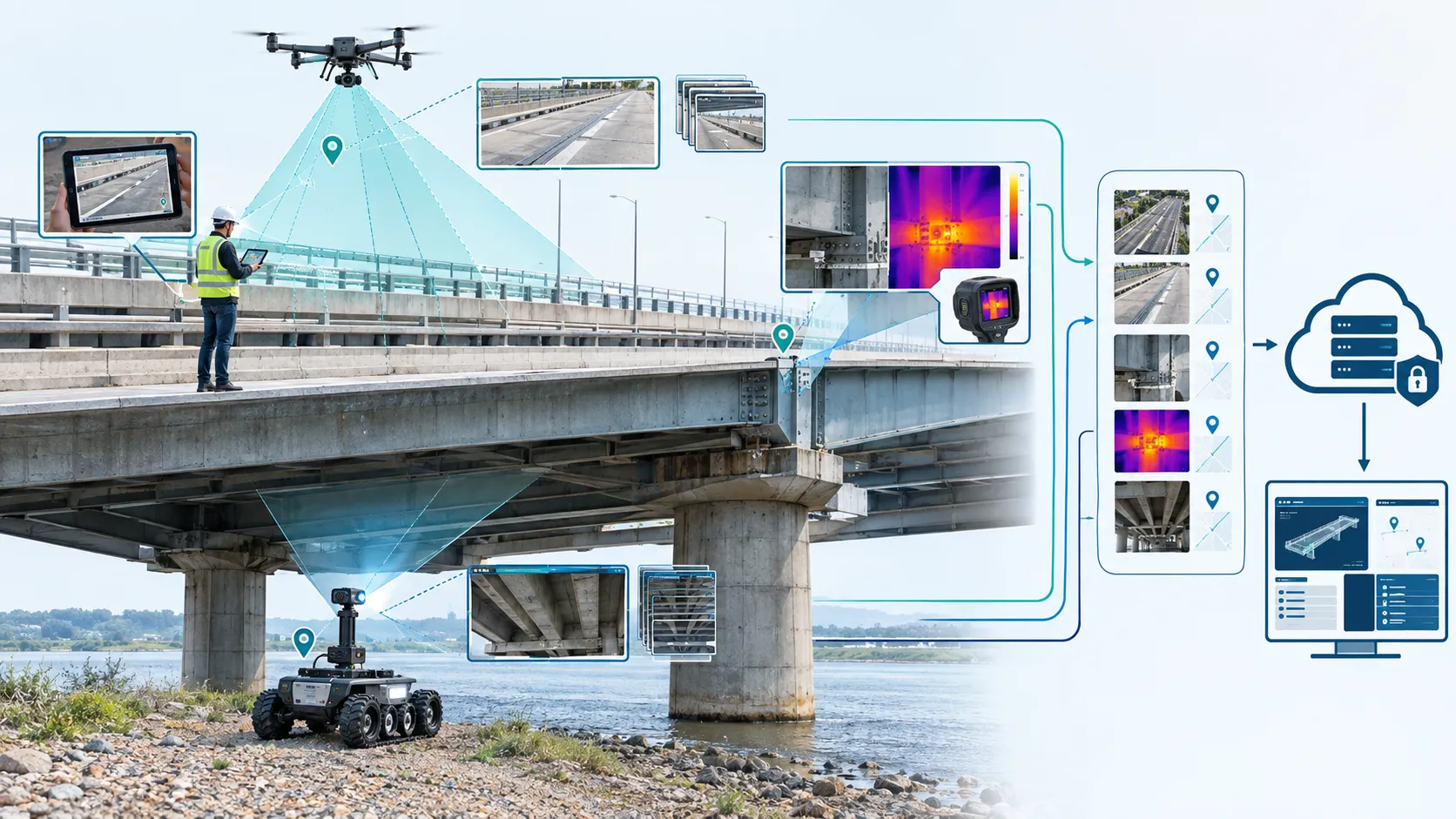
  • A single platform that brings all inspections together air, ground, and handheld gives your teams consistent data, quick issue resolution, and less risk in production across every site.
Unified workflow management for drone, rover, and mobile inspections, streamlining data flow from triage to final reports.

Unified Workflow and Data Management

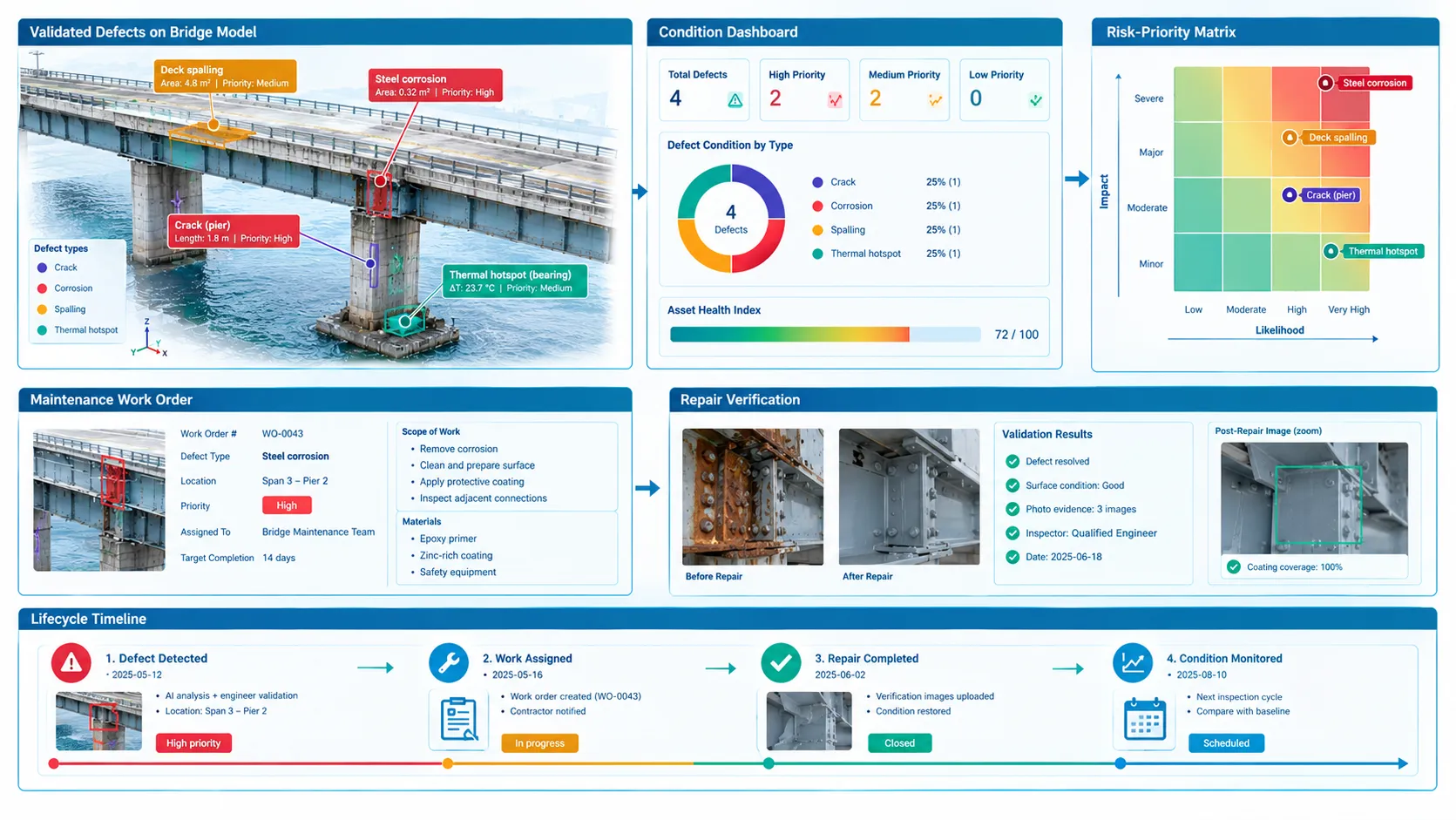
Bring drone, rover, and mobile inspections into one streamlined workflow. From triage to work orders to final reports and asset integrity management, everything moves through a single reliable data flow.

Field engineer using a tablet for guided AI mobile inspection on mechanical equipment, enabling consistent data capture.

AI Mobile Inspection

Enable field teams to capture consistent evidence using guided checklists and AI-assisted validation turning routine rounds into reliable inspection records.

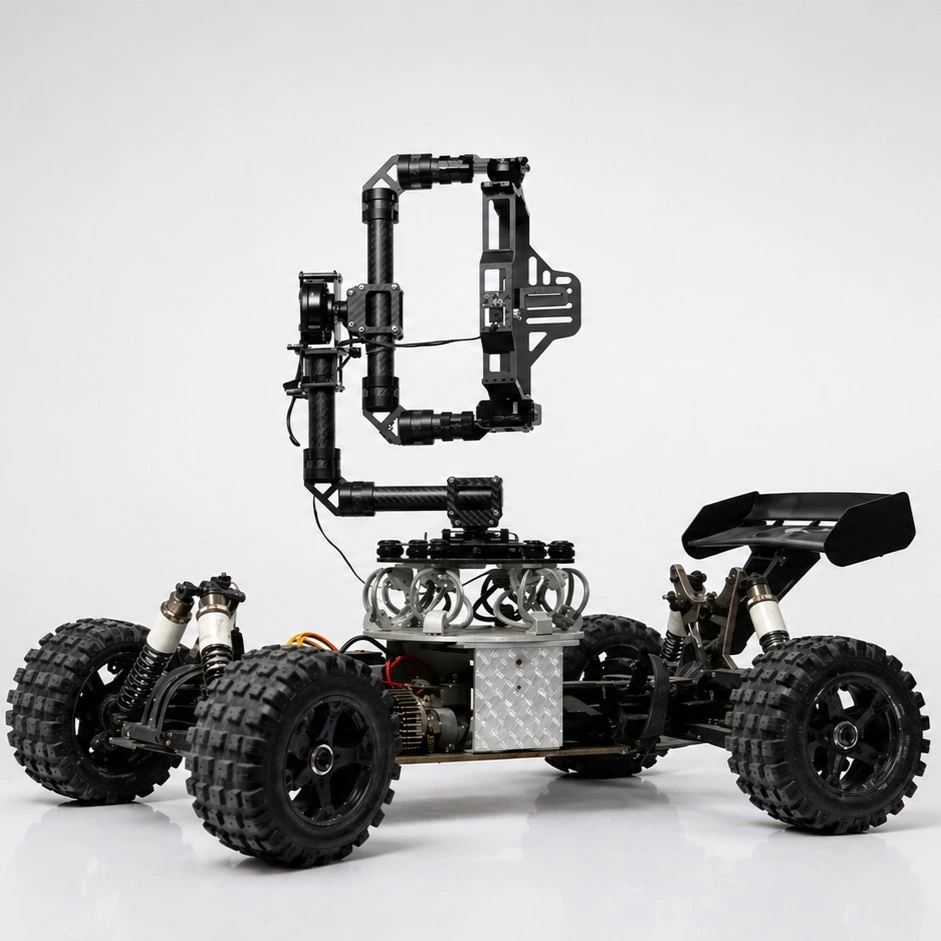
AI-powered ground rover inspecting infrastructure with advanced computer vision for autonomous detection of defects and anomalies.

Ground-Based Inspection (Rovers)

Inspect confined, hazardous, or hard-to-reach zones while minimizing human entry and improving repeatability.

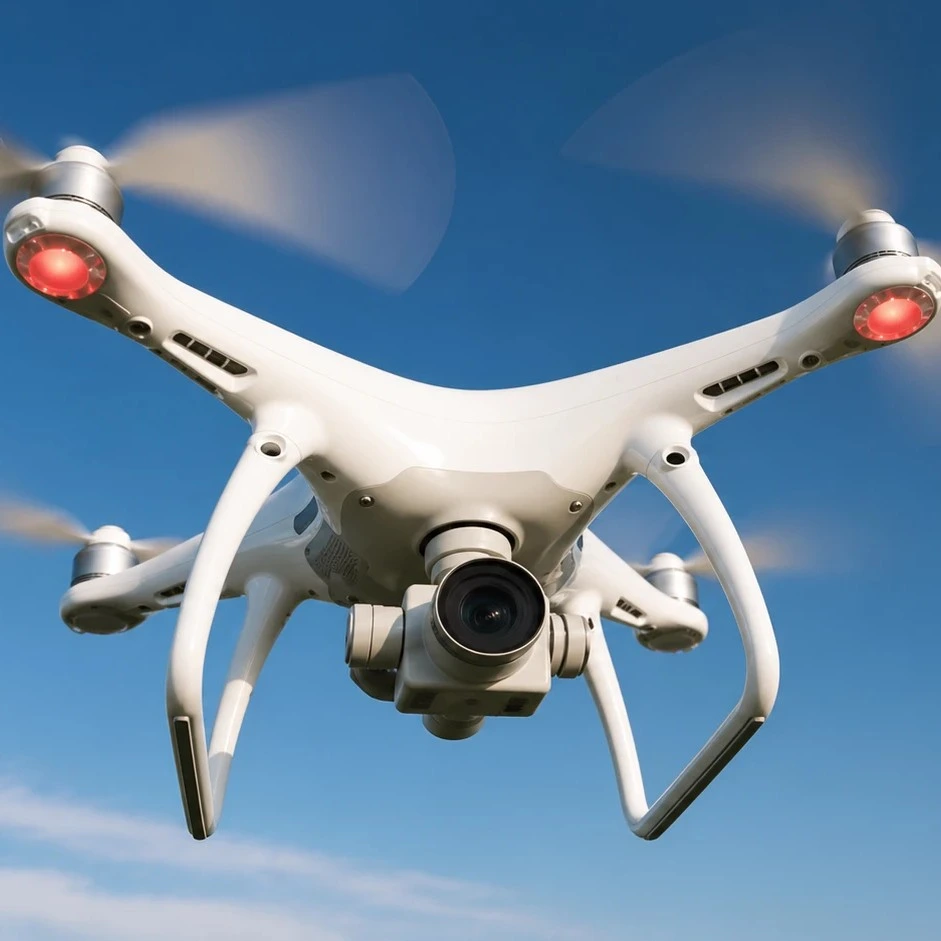
AI drone-based inspection capturing high-resolution images of wind turbines and large-scale assets for accurate monitoring.

Aerial Inspection (Drones)

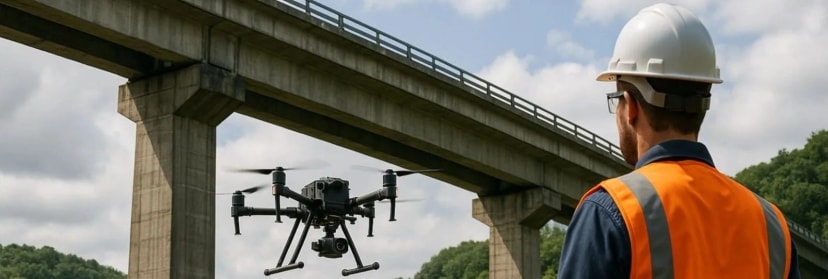
Cover large areas quickly (pipelines, power lines, wind turbines, bridges) with reduced exposure hours and consistent visual evidence.

Engineer inspecting a rusty pipe in an industrial setting, demonstrating real-world infrastructure inspection use case.

Ready to improve construction visibility across your sites

Talk to Ombrulla about a pilot workflow for inspections, progress tracking, and non-conformity monitoring on your highest-risk assets.

Real-Time Intelligence with IoT + AI

  • By combining IoT sensor data with insights from automated drone inspection and field teams, our AI Infrastructure Inspection system delivers real-time operational intelligence. This helps organizations catch issues sooner and respond with confidence.

Core Capabilities

  • Our AI Infrastructure Inspection platform seamlessly integrates drone and mobile-based AI inspections into one enterprise system automatically capturing data, recognizing defects, and processing secure workflows from capture to reporting.
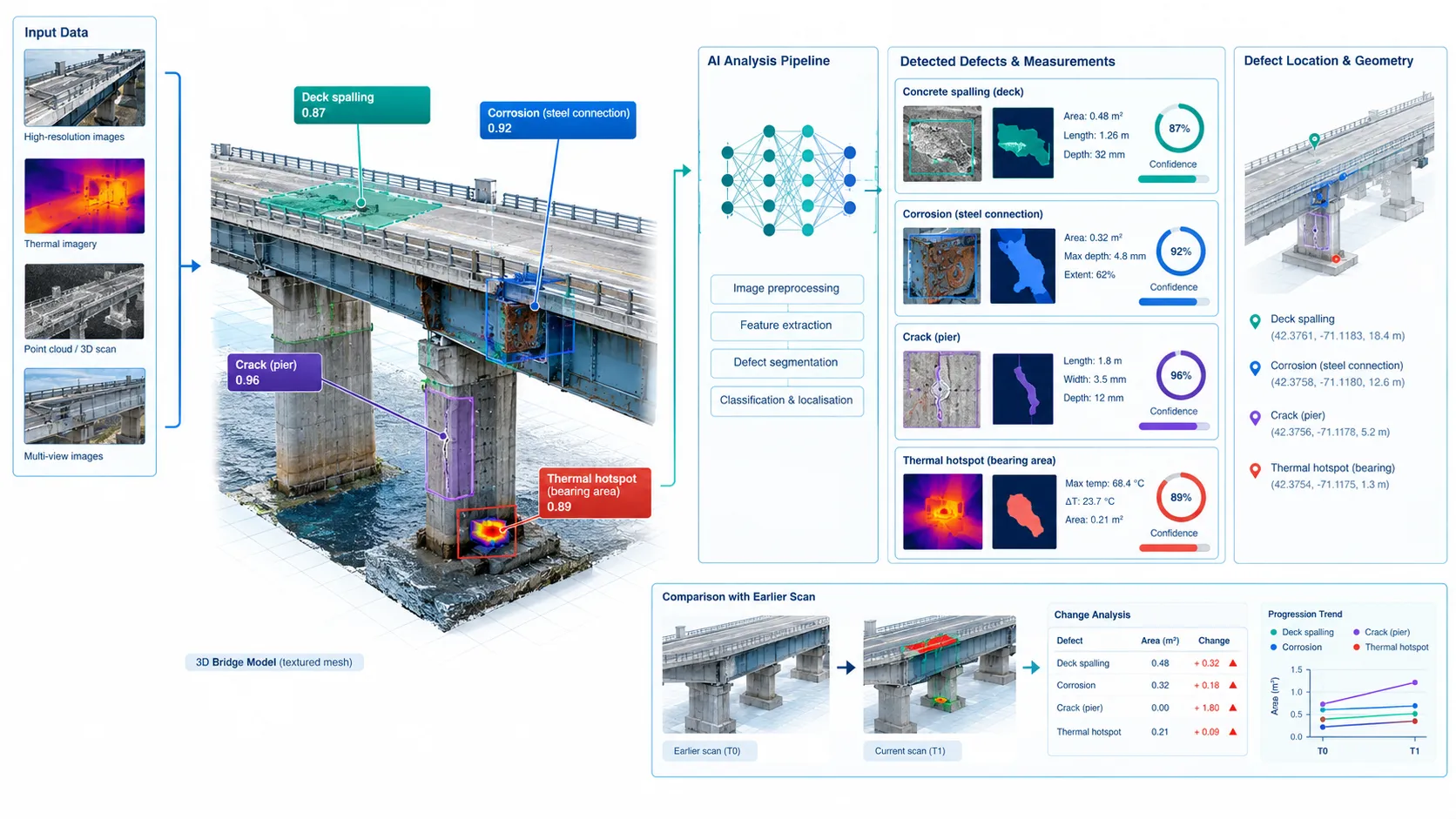
AI-driven analytics detect anomalies and defects early by analyzing signals, images, and metadata for faster, more precise insights.

AI-Powered Defect and Anomaly Detection

Detects anomalies across images, video, and sensor data with AI that prioritizes the most critical findings first, enabling faster and more confident decision-making.

Multi-modal inspection unifies drone, rover, and mobile workflows into one platform to standardize data capture and streamline analysis.

Multi-Modal Inspection Coverage

Supports drone, rover, and mobile inspection workflows to standardize data capture across infrastructure types, environments, and operating conditions.

Customizable checklists standardize inspections with predefined workflows that ensure consistency, traceability, and faster onboarding.

Asset-Specific Inspection Workflows

Enables configurable inspection templates, checklists, and protocols tailored to each asset class, reducing process variability and improving execution quality.

Faster review cycles through automated evidence organization and finding prioritization.

Faster Review and Resolution Cycles

Automates evidence organization and finding prioritization so teams can shorten inspection-to-action timelines and focus resources on the highest-risk issues.

Cloud-based reporting centralizes insights in secure dashboards for role-based access, KPI tracking, and streamlined accountability.

Cloud-Based Operational Intelligence

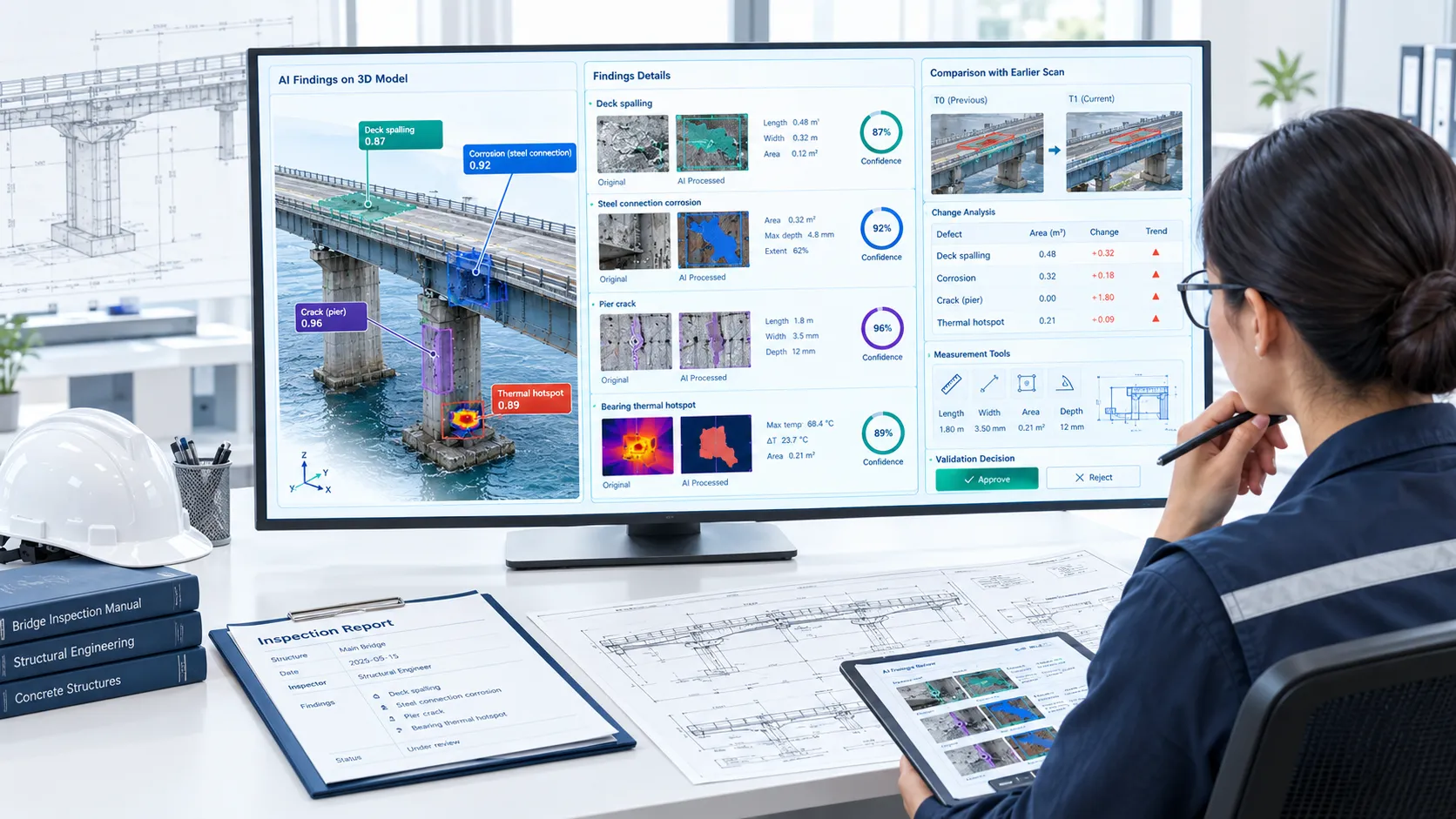
Delivers role-based dashboards, trends, KPIs, and exportable reports that give operations, engineering, and compliance leaders a unified view of asset health.

Enterprise-grade security protects inspection data with end-to-end encryption, access controls, and compliance-ready safeguards.

Enterprise Security and Governance

Protects inspection data with enterprise-grade encryption, access controls, permissions, and governance frameworks designed for multi-site operations.

Continuous AI learning improves accuracy over time by adapting to new data, operator feedback, and evolving conditions.

Continuous AI Improvement

Uses real-world feedback loops to improve model accuracy over time, reduce false positives, and increase inspection reliability at scale.

Scalable infrastructure oversight enables proactive, data-driven infrastructure management across distributed assets.

Scalable Infrastructure Oversight

Helps organizations move from reactive inspection programs to proactive, data-driven infrastructure management across distributed assets and sites.

Industry Use Cases

Frequently Asked Questions

What is AI infrastructure inspection?

AI infrastructure inspection uses computer vision and sensor analytics to automatically detect defects from drone, rover, or handheld inspection data then produces consistent findings and reports.

How does AI in infrastructure inspections work?

AI models analyze images, video, and sensor signals to identify patterns that match defect types (like corrosion, cracks, leaks, or hotspots). Findings are tagged, scored, and routed into reports and workflows.

Why use drones instead of manual inspection?

Drones reduce working-at-height and confined-space exposure, cover more area faster, and capture consistent evidence that can be compared across time.

What assets benefit most?

Pipelines, tanks, flare stacks, bridges, tunnels, power lines, substations, wind turbines, solar farms, and large industrial facilities benefit most due to scale, risk, and the need for repeatability.

How fast can inspection reports be generated?

With standardized capture and automated analysis, teams can produce structured findings and draft reports much faster than manual review especially for large assets or repeated routes.

Can AI prioritize repairs?

Yes. By scoring severity and tracking trends, the system highlights what needs immediate action versus what should be monitored.

Does it work offline?

Field teams can capture data offline and sync later. For real-time alerts, connectivity is recommended.

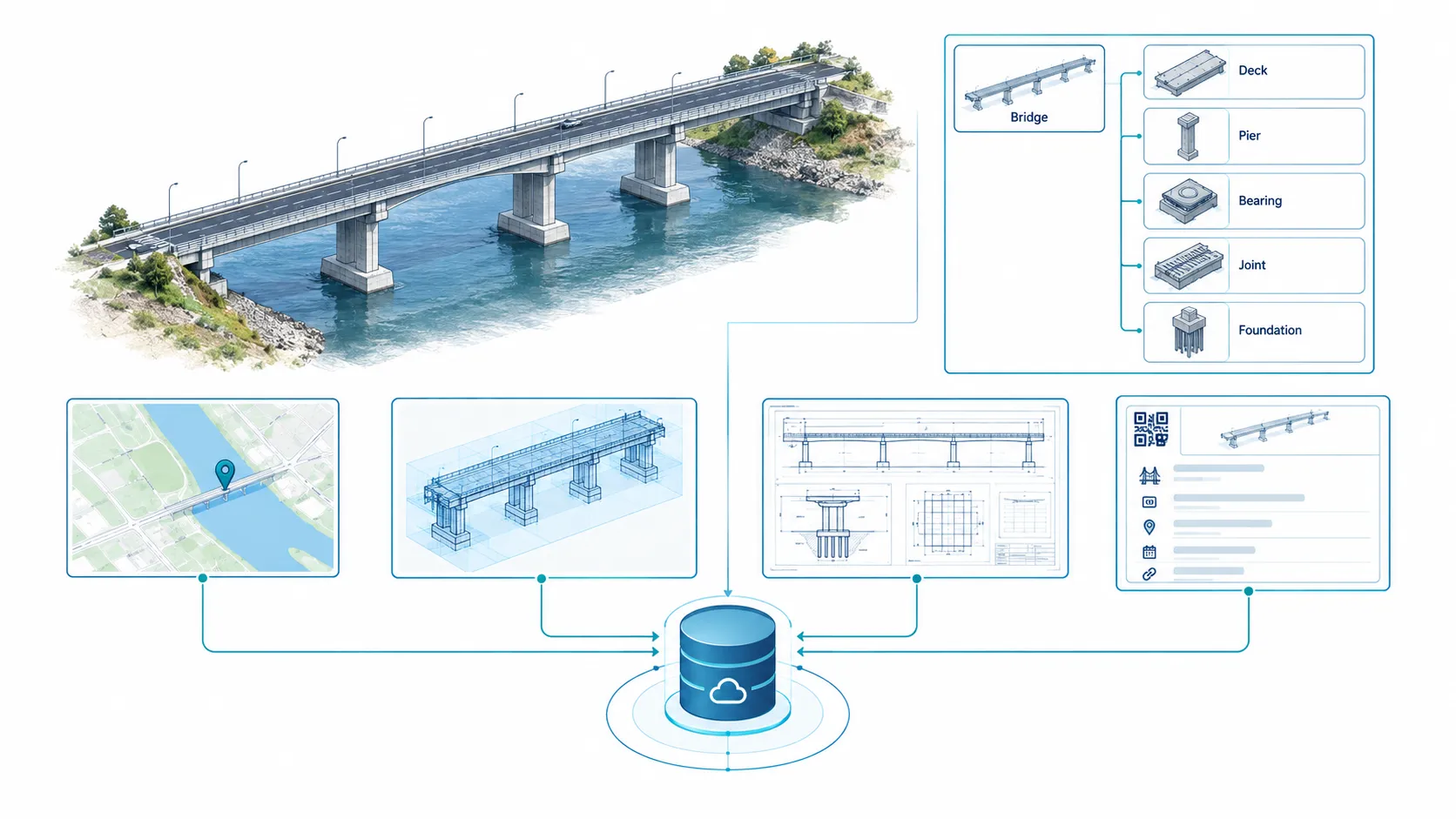
Can it integrate with GIS, BIM, or CMMS?

Yes. Export findings and evidence for GIS/BIM overlays and push prioritized tasks into CMMS/EAM systems via integrations or APIs.